

Athletic Brewing Marketing Strategy (2026)


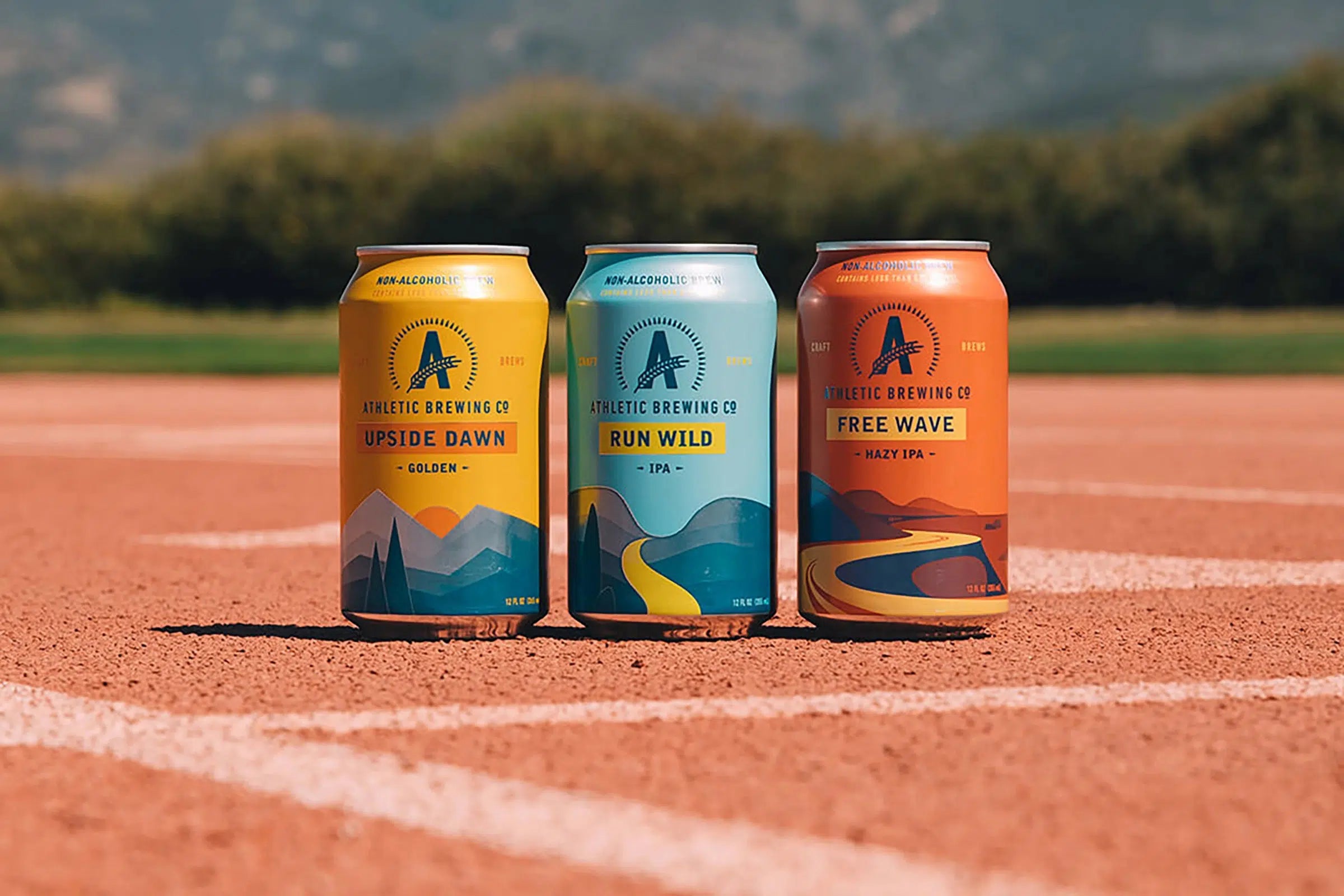
Athletic Brewing went from producing 875 barrels in 2018 to more than 500,000 barrels around the 2025-2026 period, a staggering 570x growth in eight years. The company holds over 19% of the non-alcoholic beer market while maintaining only about 20% brand awareness, highlighting substantial room for further brand growth. For DTC brands looking to strengthen their customer engagement and build sustainable growth, Athletic Brewing's playbook offers actionable lessons in experiential marketing, cultural integration, and data-driven customer acquisition powered by robust identity resolution.
Key Takeaways
- Athletic Brewing executes approximately 1 million samples annually through a "liquid to lips" strategy at strategic touchpoints
- The "Ask for Athletic" campaign creates perceived ubiquity despite distribution gaps versus major competitors
- January customers show the highest retention rates of the year, transforming seasonal acquisition into year-round loyalty
- 80% of Athletic's customers still drink alcohol, proving NA beer is additive, not replacement-focused
- Strategic venue partnerships span athletic events (IRONMAN, Spartan) and lifestyle venues (100+ Live Nation locations)
- The company achieved an $800 million valuation through marketing innovation rather than massive ad spend
Crafting a Winning Beverage Marketing Strategy for Non-Alcoholic Beer
Athletic Brewing's success stems from understanding that they weren't selling a product: they were selling permission to drink differently. The non-alcoholic beer category carried decades of stigma suggesting consumers had drinking problems or were in recovery. Athletic eliminated this by positioning NA beer as aspirational rather than compromising.
Analyzing the Sober Curious Movement
Research cited by the brand found 64% of consumers claim to be moderating alcohol consumption. This isn't a niche audience: it's a mainstream behavioral shift that Athletic leveraged before competitors recognized the opportunity.
The company built their strategy around three key insights:
- Mainstream appeal: 80% of customers still drink alcohol, proving NA beer fits varied drinking occasions
- Demographic targeting: Core audience is 24-44 "active improvers" seeking balance, not abstinence
- Category growth: The NA beer category grew 30%+ CAGR from 2020-2024
Identifying Athletic Brewing's Core Consumers
CMO Andrew Katz noted that younger consumers, particularly Gen Z and millennials, are already inclined to consider moderation. Athletic's strategy capitalizes on this by making moderation aspirational rather than restrictive.
The brand positioned their products as "chaser, pacer, and replacer," fitting multiple use occasions rather than targeting only abstainers. This expanded their addressable market dramatically while differentiating from competitors treating NA beer as a line extension.
Building a Strong Brand Strategy for Non-Alcoholic Drinks
Athletic consolidated multiple messaging pillars into a single unifying platform called "Fit for All Times." CMO Andrew Katz explained this strategic consolidation was essential because "consumers can only hold so many thoughts about one brand in their brain."
Defining Athletic Brewing's Unique Identity
The platform leverages a double entendre:
- Fitness/wellness emphasis: Aligning with active lifestyles
- Occasion versatility: Communicating that Athletic's beers work for any moment, not just for athletes or recovery situations
This unified messaging approach is more trackable and scalable than fragmented campaigns. Every touchpoint reinforces the same core idea, building cumulative brand equity rather than competing narratives.
Connecting with the 'Sober Curious' Lifestyle
Founder Bill Shufelt articulated the long-term cultural mission: "I'm really trying to break down the post-prohibition stigmas that still exist. We want to make sure people feel like they don't have to declare that they're sober."
Athletic built social proof through strategic partnerships:
- Elite athletes: JJ Watt, Naomi Osaka, Lance Armstrong
- Celebrity investors: David Chang
- Culinary credibility: Placement on 22% of Michelin-starred menus nationwide
- 185 taste awards that counter skepticism about NA beer quality
Targeting the Non-Alcoholic Beer Market: Beyond Traditional Channels
Athletic's distribution strategy reflects their dual approach of "moments of participation" and "moments of enjoyment." They've secured presence in 75,000+ retail locations and 25,000+ on-premise venues.
Expanding Online Presence for Athletic Brewing
The company operates a robust DTC channel through their website, including:
- Athletic Club membership: Offers 25% savings and exclusive access
- Subscription model: Recurring revenue with high retention
- Limited-edition collaborations: Creating urgency and exclusivity
For DTC brands looking to replicate this approach, the key is combining direct sales with experiential marketing that drives discovery.
Localizing Marketing Efforts
The "Ask for Athletic" campaign launched in 2024 with multimillion-dollar media investment including TV ads, out-of-home placements, streaming audio, podcasts, digital media, and influencer endorsements. The campaign trains consumers to specifically request "Athletic" rather than generic "non-alcoholic beer."
This creates what CMO Katz calls "perceived ubiquity," making Athletic feel omnipresent even when their actual distribution lags behind major competitors. It also gives retailers confidence that consumer demand exists.
Leveraging Digital Marketing for Athletic Brewing's Online Growth
Athletic uses a full-funnel approach combining paid media, organic content, experiential activations, and email marketing strategies that work together rather than in isolation.
SEO Strategies and Content Creation
The company creates content addressing specific consumer questions:
- Nutritional information (calories, carbs, ingredients)
- Taste comparisons and product guides
- Lifestyle content featuring athletes and influencers
- Event coverage and partnership announcements
For 2026, Athletic increased its marketing investment while maintaining its grassroots "cans in hands" strategy, showing that scaled media and experiential marketing can work together.
Multi-Channel Attribution
Athletic's campaign structure spans:
- Television: Brand awareness building
- Streaming audio and podcasts: Reaching active lifestyle audiences
- Digital media: Performance marketing and retargeting
- Influencer partnerships: Authentic endorsements across wellness, music, and lifestyle verticals
- Sampling activations: Direct product trial at strategic touchpoints
- Rebate programs: Driving trial purchase at retail
This multi-channel approach requires robust first-party data collection to understand which touchpoints drive actual conversions versus surface-level engagement.
The "Liquid to Lips" Sampling Strategy
Athletic's most powerful marketing innovation is their grassroots sampling approach. Founder Bill Shufelt initially drove up and down the East Coast with bags of beer, handing them out at road race finish lines. This evolved into systematic presence at sporting events, festivals, retail locations, and community events.
CMO Katz explains the logic: "When you have a one-on-one conversation with someone, get them to try the product, you see them start to wrap their head around, I'm now starting to get it."
Key elements of the sampling strategy:
- Strategic venue selection: Marathon finish lines, concerts, retail locations
- Personal interaction: Direct education countering taste assumptions
- Peak life moments: Sampling when consumers are most receptive
- Consistent presence: Building familiarity through repetition
In February 2025, Athletic partnered with Live Nation to become the official non-alcoholic beer partner for 100+ concert venues and four major festivals (Bonnaroo, BottleRock Napa Valley, Festival La Onda, Two Step Inn). Research showed 70% of live music fans want more beverage options at concerts.
Optimizing E-commerce Performance: From Discovery to Purchase
Athletic's approach to e-commerce optimization focuses on reducing friction while maintaining premium positioning.
Enhancing the Online Shopping Experience
Key elements include:
- Product education: Detailed tasting notes and pairing suggestions
- Variety packs: Lowering barrier to trial
- Subscription options: Building recurring revenue
- Limited editions: Creating urgency and exclusivity
Streamlining the Path to Purchase
Athletic uses cart recovery tactics combined with behavioral targeting to re-engage browsers who don't convert immediately. Their subscription model creates predictable revenue while the limited-edition strategy drives immediate purchases.
Measuring ROI and Attribution for Non-Alcoholic Beer Campaigns
Athletic's marketing success is measurable through concrete outcomes. The brand now holds over 19% market share in the NA beer category with dollar sales growth exceeding 50% year-over-year through 2024. In on-premise venues, Athletic commands approximately 36% of NA beer sales. This performance contributed to the company achieving an $800 million valuation.
Understanding the True Impact of Marketing
Athletic views competition from major brewers entering the NA category as category validation rather than threat. CMO Katz explains: "The more people that they can help make aware of the category, the better it is for us. More people are coming down the aisle, seeing us on the shelf and normalizing NA drinking."
This perspective reflects sophisticated attribution thinking: understanding that category growth benefits the specialist leader, not just the companies driving awareness.
Reframing Seasonal Campaigns: Athletic January
Athletic transformed the traditionally negative "Dry January" into "Athletic January" with messaging "there's nothing dry about it."
The campaign includes:
- Sampling activations: Hundreds of community events
- Retail partnerships: In-store sampling and promotions
- OpenTable integration: Helping diners find participating restaurants and bars serving Athletic through an interactive map
- Rebate programs: "Ask For Athletic Week" at select locations
Critically, January customers show the highest retention rates of the year. CMO Katz explains: customers who try Athletic in January "start to realize that it fits into so many occasions in their life" beyond just abstinence month.
This approach demonstrates how seasonal campaigns can drive year-round customer retention when executed strategically.
Expanding Reach with Strategic Integrations
Athletic has systematically built partnerships that place their products where target consumers naturally gather:
Athletic Events (Moments of Participation):
- IRONMAN events
- Spartan Races
- Leadville 100
- Premier Lacrosse League
Lifestyle Venues (Moments of Enjoyment):
- 100+ Live Nation concert venues
- MLB's Seattle Mariners
- NBA's Indiana Pacers
- Arsenal F.C.
Cultural Collaborations:
- Netflix "Our Oceans" documentary (Marine Odyssey IPA)
- Vans Warped Tour 30th anniversary (Side Stage Pale)
- Food52 hosting series ("Host & Toast")
These partnerships create sampling opportunities, PR value, and authentic cultural connections that paid media alone cannot replicate.
Converting Experiential Marketing into Measurable Revenue with Opensend
Athletic Brewing's success demonstrates how experiential marketing and cultural integration drive customer acquisition. But converting that awareness into measurable revenue requires robust identity resolution and customer data infrastructure.
For beverage brands implementing similar multi-channel strategies, Opensend provides the identity and signal layer that makes every marketing channel perform better. The platform helps brands recognize anonymous visitors who sample products at events, reconnect fragmented customer activity across sessions and devices, and build high-value audiences that can be activated across email, paid media, and lifecycle campaigns.
Identity Resolution for DTC Beverage Brands
- Connect: Helps identify previously anonymous visitors so more high-intent traffic becomes addressable across marketing channels
- Reconnect: Helps reconnect fragmented customer activity across sessions and devices, strengthening customer profiles and audience addressability
- Personas: Uses enriched purchase and behavioral data to create audience cohorts that can be activated across platforms such as Klaviyo, Meta, and Google
Why Identity Resolution Matters for Beverage Marketing
Athletic Brewing invests heavily in sampling and experiential events. The challenge is connecting those offline touchpoints to online conversions. Without connected identity and event data, brands have a harder time linking experiential interactions with later purchases and understanding which customer segments generate the highest lifetime value.
Opensend processes billions of daily events across thousands of US-based sites, enabling beverage brands to:
- Recognize returning visitors across sessions and devices
- Sync identified profiles to Klaviyo, Meta, and Google for retargeting
- Improve the identity and signal foundation that supports more trustworthy attribution and campaign measurement
- Build lookalike audiences from high-value customers
The platform integrates in under 5 minutes with Shopify and major ESPs, requiring no engineering resources. For beverage brands combining experiential marketing with e-commerce, this identity foundation determines whether your marketing dollars generate measurable ROI or vanish into unattributable awareness.
Frequently Asked Questions
How does Opensend help beverage brands connect offline sampling to online sales?
Opensend's identity resolution capabilities help brands recognize visitors who first encountered your product at an event, festival, or retail sampling. By identifying previously anonymous site visitors and reconnecting their activity across devices and sessions, you can build a stronger identity foundation for connecting known experiential touchpoints with later online activity and build retargeting audiences from high-intent prospects.
What makes Opensend different from standard analytics for multi-channel beverage marketing?
Many traditional analytics setups rely heavily on session- and device-level tracking, which can fragment customer journeys across touchpoints. Opensend provides cross-device identity resolution that recognizes the same customer across mobile, desktop, and tablet. This strengthened identity foundation helps support more accurate attribution and enables you to build enriched audience segments that can be activated across email platforms, paid media channels, and lifecycle campaigns.
How quickly can a beverage brand implement Opensend's identity resolution?
Opensend integrates with Shopify and major ESPs in under 5 minutes with no engineering resources required. The platform begins identifying visitors and enriching customer profiles immediately, providing actionable audience data you can sync to Klaviyo, Meta, Google, and other marketing platforms within the first week.
Can Opensend help improve email list growth for DTC beverage brands?
Yes. Opensend's Connect product helps identify previously anonymous website visitors, turning high-intent browsers into addressable contacts. For beverage brands running experiential campaigns that drive web traffic, this means significantly more of your sampling-driven visitors become part of your owned audience for email, SMS, and paid retargeting.
How does Opensend support attribution for beverage brands running sampling campaigns?
Opensend improves the identity and signal foundation that supports more trustworthy attribution by recognizing customers across touchpoints and devices. When someone samples your product at a festival, visits your site on mobile, and later purchases on desktop, Opensend helps connect those fragmented sessions into a complete customer journey, giving you clearer visibility into which marketing activities drive real revenue.
Get 1 month free for $1
Exclusive, blog only offer: Identify hidden visitors and boost conversions for only a dollar.


