

Yeti Marketing Strategy (2026)


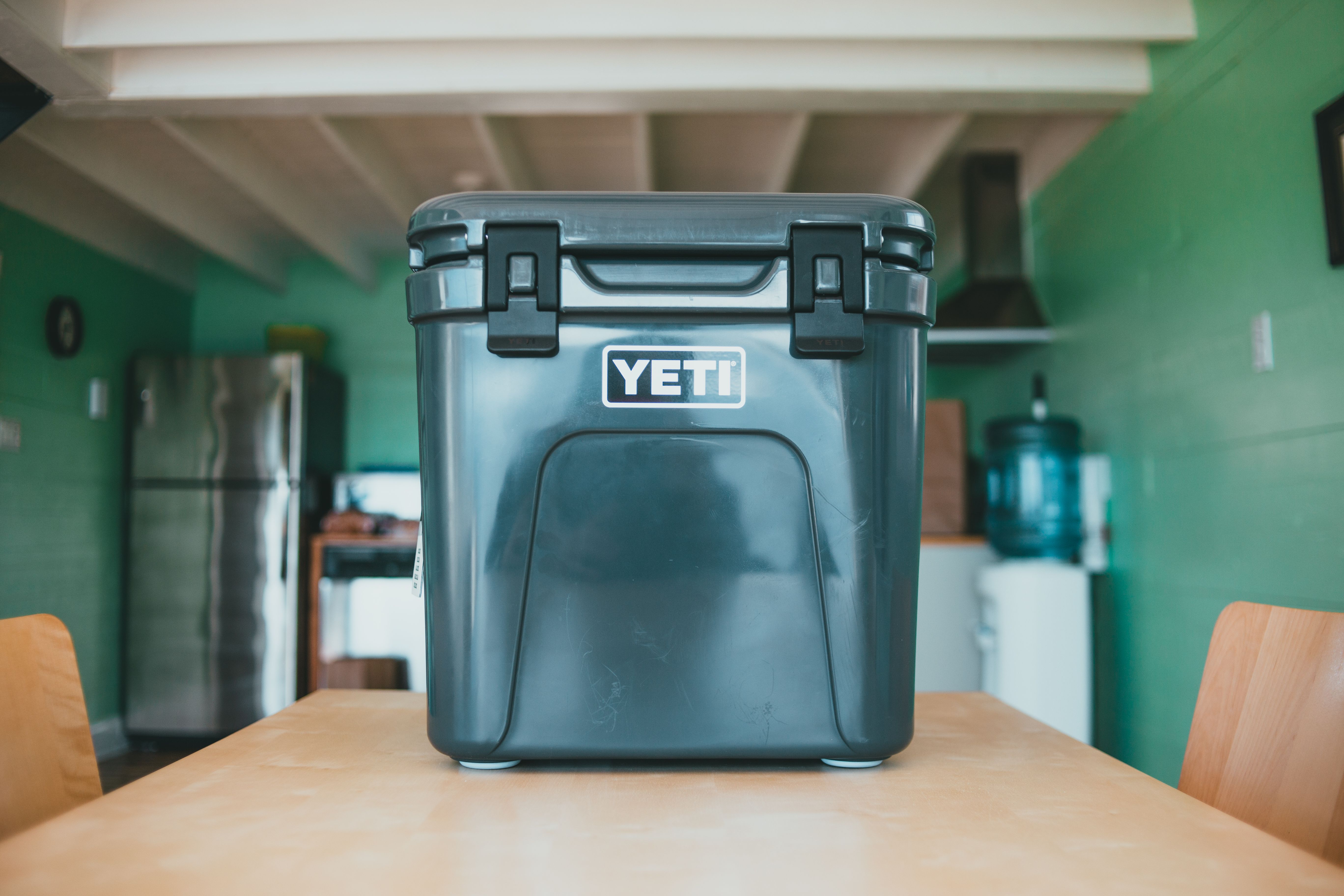
Yeti transformed from a niche cooler manufacturer into a premium outdoor lifestyle company that generated approximately $1.87 billion in fiscal 2025 net sales through authentic storytelling, community-driven marketing, product innovation, and strategic channel ownership. For DTC brands looking to build lasting customer relationships, Yeti's playbook offers actionable insights on how to win through brand equity rather than constant promotional discounting. Identity resolution platforms like Opensend strengthen these strategies by improving identity resolution, audience addressability, match rates, and the signal quality that marketing platforms use for retargeting, attribution, and optimization.
Key Takeaways
- Yeti generated approximately 60% of fiscal 2025 net sales through its DTC channel, enabling stronger direct customer relationships while contributing to a companywide gross margin of 57.4%
- The brand's broad ambassador network spans outdoor, culinary, fitness, rodeo, fishing, surfing, and other communities, supporting upper-funnel awareness while maintaining narrative consistency
- Premium positioning allows Yeti to protect perceived value through product quality, selective distribution, innovation, and aspirational storytelling
- Documentary-style content marketing through YETI Presents builds brand affinity without depending entirely on direct product promotion
- International markets grew 16% in fiscal 2025 and represented approximately 21% of net sales, signaling continued expansion potential
Crafting a Resilient Brand Marketing Strategy for Yeti in 2026
Analyzing Yeti's Current Market Standing
Yeti holds a strong position in the premium outdoor gear category, with fiscal 2025 net sales of approximately $1.87 billion, representing 2% year-over-year growth. The company's balance between DTC and wholesale distribution contributed to a companywide gross margin of 57.4%.
The brand's market position rests on three pillars:
- Product portfolio diversification: Drinkware represented approximately 58% of fiscal 2025 net sales, while Coolers and Equipment contributed approximately 40%
- Channel control: Direct channels, including owned ecommerce, retail stores, Amazon Marketplace, and Corporate Sales, generated approximately $1.13 billion in fiscal 2025
- Geographic expansion: International markets contributed approximately 21% of fiscal 2025 revenue and grew 16% year over year
Defining Yeti's Brand Essence for the Future
CEO Matt Reintjes has described Yeti's positioning through the idea of being “built for the wild” without narrowly defining what the wild must mean. This flexibility allows different customer segments, from professional anglers to suburban tailgaters, to identify with the brand's ethos.
The brand does not sell only coolers or drinkware. It sells membership in a community of people who value quality, durability, performance, and authentic outdoor experiences.
Frameworks for Strategic Brand Evolution
Yeti's framework prioritizes brand equity over short-term promotional tactics:
- Distribution discipline: Careful management of pricing and distribution across approximately 4,700 retail partners worldwide, based on Yeti's fiscal 2024 disclosure
- DTC prioritization: A strong direct channel gives Yeti greater control over customer experiences, customization, customer insights, and brand presentation
- Selective expansion: Acquisitions focus on adding products, intellectual property, technology, or expertise that strengthens Yeti's existing roadmap
The Mystery Ranch acquisition and the purchase of intellectual property related to powered coolers demonstrate this approach. These additions strengthen existing product and innovation capabilities rather than moving the company into unrelated markets.
Leveraging Brand Marketing Examples: Inspiring Yeti's Growth
What Yeti Can Teach Other Outdoor Brands
Yeti's competitive advantage comes partly from investing in long-form storytelling that builds affinity without demanding an immediate conversion.
While many brands prioritize short-lived social trends and celebrity endorsements, Yeti produces documentary-style content centered on the people and communities using its products. Its Shipwreck campaign used real stories about coolers that survived extreme conditions, allowing the product's durability to emerge through the narrative rather than through a conventional product demonstration.
Campaigns That Redefine Consumer Connection
The Map the Gaps campaign worked with ambassadors to document trails through immersive footage and mapping experiences. This combined useful content, outdoor participation, ambassador storytelling, and product visibility.
The approach differs from conventional advertising:
- Traditional approach: Pay for attention and promote product features
- Yeti approach: Create useful or emotionally engaging content and allow product associations to develop naturally
Yeti's first-quarter 2024 revenue increased 13%, supported by growth across both product categories, both primary sales channels, and international markets.
Analyzing Success Factors in Brand Building
Yeti's content philosophy is built around belonging. Customers wear Yeti apparel and display its products not only because of functional performance, but because ownership communicates interests, standards, and lifestyle identity.
That emotional meaning gives the brand an advantage that price-led competitors may struggle to reproduce.
Executing a Robust Content Marketing Strategy for Yeti's Audience
Developing a Content Calendar for Maximum Impact
Yeti's content strategy operates on multiple timelines:
- Long-form documentaries: Carefully produced stories designed to remain relevant beyond a single campaign
- Ambassador content: Ongoing storytelling through people with credible connections to specific pursuits and communities
- Product launches: Campaigns timed around innovation, seasonal demand, and outdoor activities
Yeti continues to invest in marketing as part of its broader selling, general, and administrative expenses, although the company does not publicly report marketing as a separate annual expense.
Its efficiency comes from combining owned channels, community participation, product credibility, retail visibility, and organic advocacy rather than depending exclusively on paid media.
Measuring Content Performance and ROI
Yeti can evaluate content through several indicators:
- Brand awareness: Whether content expands recognition among relevant customer groups
- Organic engagement: Views, shares, earned coverage, and time spent with long-form stories
- Community participation: Engagement from ambassadors, customers, event participants, and outdoor organizations
- Commercial impact: Changes in direct traffic, branded search, product consideration, customer acquisition, and repeat purchasing
The key insight is that content that strengthens brand affinity may compound over time, while paid distribution generally stops producing results after spending ends.
Narrative-Driven Marketing for the Outdoor Enthusiast
Yeti's strongest stories feel credible because they begin with real people, environments, and product experiences. This reduces the gap between advertising and customer experience.
Authenticity-first storytelling can build trust that conventional promotional content often struggles to reproduce.
Innovating with New Marketing Strategy Examples in the Outdoor Sphere
Cutting-Edge Approaches for Engaging Outdoor Consumers
Yeti's ambassador program differs from short-term celebrity influencer marketing:
- Pursuit-based representation: Ambassadors come from fishing, hunting, surfing, climbing, culinary, rodeo, fitness, skateboarding, and other communities
- Grassroots storytelling: Content focuses on real experiences rather than scripted endorsements alone
- Long-term relationships: Ongoing partnerships allow stronger and more credible brand affiliation
The program supports brand awareness while preserving credibility within communities that may be skeptical of conventional sponsorships.
Sustainability as a Core Marketing Pillar
Yeti positions durability as an important part of its sustainability approach. Products designed for long-term use can reduce dependence on disposable alternatives.
Recent initiatives include:
- Circularity programs: YETI RESCUES extends the useful life of returned and renewed equipment
- Rambler Buy Back: Customers can return eligible drinkware for responsible recycling and receive an in-store purchase credit
- Preferred materials: Yeti is increasing its use of lower-impact and recycled materials in selected products
- Supply chain diversification: Yeti has expanded manufacturing beyond China to create a more flexible and resilient sourcing network
These initiatives support the company's broader sustainability commitments involving products, suppliers, communities, materials, and outdoor environments.
Optimizing Digital Channels: What Is Content Marketing in Digital Marketing for Yeti
Integrating Content Across Yeti's Digital Ecosystem
Yeti's DTC transformation required digital infrastructure capable of capturing customer behavior and supporting engagement across channels. DTC represented approximately 60% of fiscal 2025 net sales, compared with a much smaller share during Yeti's earlier wholesale-dependent years.
This shift supports:
- First-party data collection through direct interactions and purchases
- Direct customer relationships without depending entirely on wholesale intermediaries
- Personalized marketing based on purchase, browsing, product, and channel behavior
- Greater brand control across ecommerce, retail stores, customization, and customer service
This data ownership creates a foundation for stronger customer retention strategies than a wholesale-only model can provide.
Measuring Digital Marketing Effectiveness
Yeti's publicly reported digital and channel metrics demonstrate the value of owned distribution:
- DTC revenue: Approximately $1.13 billion in fiscal 2025
- DTC sales mix: Approximately 60% of total net sales
- Companywide gross margin: 57.4% in fiscal 2025
- Customer loyalty: Yeti states that direct customer relationships strengthen brand engagement and help build loyalty, but it does not publicly disclose a companywide DTC repeat-buyer percentage
For brands operating at this scale, customer identity quality affects retargeting reach, audience matching, lookalike modeling, lifecycle marketing, and attribution.
Personalization Through Advanced Digital Tools
Most ecommerce visitors leave without creating an account, purchasing, or submitting a form. This creates an identity and signal gap that limits how effectively marketing platforms can understand and re-engage site traffic.
Opensend Connect raises the share of traffic a brand can identify and activate, expanding addressable audiences and strengthening the identity signals used across email, SMS, retargeting, lookalike modeling, and attribution. Opensend reports estimated identification rates of 25% to 35% for qualifying U.S. ecommerce traffic, although results vary by geography, traffic quality, consent coverage, and implementation.
For premium brands with high customer lifetime value, stronger visitor identification can create several compounding benefits:
- Greater retargeting reach
- Better audience match rates
- More complete first-party customer profiles
- Stronger inputs for lookalike modeling
- More reliable attribution and budget decisions
Opensend Ignite adds server-side conversion tracking designed to capture events that browser-based tracking may miss because of ad blockers, browser restrictions, or broken pixels. Opensend reports match rates of approximately 80% to 95% when richer identity signals are included, although actual results vary by platform and implementation.
Building Enduring Customer Loyalty for Yeti: Programs and Strategies
Designing a Loyalty Strategy for Yeti Enthusiasts
Yeti builds customer loyalty through several reinforcing factors:
- Product quality: Products are designed for demanding use and extended product life
- Community membership: Customers identify with Yeti's outdoor and lifestyle communities
- Aspirational identity: Ownership communicates interests, standards, and lifestyle alignment
- Product expansion: New sizes, colors, accessories, bags, coolers, drinkware, and equipment create additional purchasing opportunities
The brand's customer loyalty approach prioritizes product experience and emotional connection rather than relying only on transactional rewards.
Fostering a Sense of Community Among Yeti Owners
Yeti supports ambassadors across a wide range of outdoor, culinary, fitness, rodeo, fishing, surfing, and other communities. It also produces stories that reinforce a shared identity around outdoor participation, craftsmanship, durability, and performance.
This creates a flywheel:
- Content attracts people who identify with the community
- Customers and ambassadors create additional stories and social proof
- Those stories introduce the brand to more potential customers
- Product experiences reinforce the claims made in the content
Measuring and Enhancing Customer Lifetime Value
Yeti's Corporate Sales program contributes to its DTC channel by offering customized products for corporate events and other business uses, although Yeti does not separately disclose the program's revenue share or gross margin.
For ecommerce brands seeking to improve customer lifetime value, identity resolution is an important upstream capability. Opensend Reconnect helps resolve fragmented identities across browsers, devices, and sessions so that returning customers are more likely to be recognized as part of one continuing relationship.
Opensend Personas uses enriched purchase and behavioral data to build customer cohorts for more relevant audience activation. Opensend Revive replaces outdated or bounced email addresses with current addresses associated with the same individuals, helping brands preserve customer relationships as contact data changes.
How Opensend Strengthens Yeti-Style Marketing Data Foundations
For DTC brands seeking to replicate Yeti's success, the invisible marketing layer determines how effectively traffic, creative, email, SMS, advertising, and analytics work together.
This invisible layer includes:
- Identity resolution: Understanding which sessions and interactions belong to the same shopper
- Audience addressability: Turning traffic and customer data into audiences marketing platforms can activate
- Match rates: Increasing the share of profiles and conversions platforms can connect to known users
- Event signal quality: Sending cleaner, more complete conversion events into advertising systems
- Attribution inputs: Improving the underlying data used for reporting and budget allocation
Opensend strengthens this foundation by identifying more visitors, enriching first-party profiles, reconnecting fragmented sessions, restoring outdated contact information, and syncing actionable audiences and signals into marketing systems.
Rather than treating visitor identification as a standalone list-growth tactic, Opensend positions identity as an upstream variable. Better identity data can improve retargeting reach, audience quality, platform learning, email and SMS activation, and attribution simultaneously.
For premium brands with high customer lifetime value, these improvements can compound. When platforms can recognize and match more of the people interacting with a brand, marketing teams gain more useful data from traffic they have already paid to acquire.
Explore Opensend success stories to review individual customer results. Outcomes vary by traffic, campaign execution, industry, offer quality, and implementation.
Why Opensend Supports DTC Brands Building Yeti-Level Customer Relationships
DTC brands aiming to replicate Yeti's movement toward greater channel ownership need more than ecommerce software and marketing campaigns. They need a dependable identity and signal foundation underneath those systems.
Connect identifies qualifying anonymous visitors and expands the audience a brand can activate. Ignite sends server-side conversion events and richer identifiers to advertising platforms. Reconnect helps maintain customer identity across devices and browsers. Personas converts enriched profiles into more useful behavioral cohorts. Revive restores contactability when an existing email address becomes invalid.
Together, these capabilities strengthen the data inputs used by retention, acquisition, personalization, retargeting, and measurement programs.
For brands with premium products and high customer lifetime value, the effects can compound. Better identification expands retargeting audiences. Better profiles improve platform matching. Better matching supports more useful lookalikes and conversion signals. More complete signals make platform optimization and attribution more dependable.
Frequently Asked Questions
How does Opensend support a stronger DTC channel?
Opensend strengthens the identity and signal foundation that DTC channels depend on. By identifying more qualifying visitors and improving audience addressability, brands can activate more of their existing traffic through email, SMS, advertising, and other owned or connected channels.
Can Opensend help premium brands improve customer lifetime value?
Yes. Reconnect helps recognize returning customers across devices and sessions, Revive restores outdated contact information, and Personas creates behavioral cohorts for more relevant lifecycle communication. These capabilities support retention, although results depend on the brand's products, messaging, customer experience, and campaign execution.
How is Opensend different from a conventional popup?
A popup captures information only when a visitor voluntarily completes the form. Connect uses consent-based identity resolution to match qualifying anonymous sessions against opt-in consumer profiles. This expands the addressable audience and strengthens the data available for retargeting and platform matching.
What ROI can brands expect from Opensend?
Opensend reports a 7.3X overall return across its platform and publishes individual customer results that vary substantially. These figures should not be treated as guaranteed outcomes because performance depends on traffic volume, audience quality, margins, campaign execution, attribution methodology, and implementation.
How quickly can brands implement Opensend?
Opensend offers plug-and-play connections with major ecommerce, advertising, and email platforms. Basic implementation may be completed quickly, but the timing for measurable results depends on integration requirements, traffic volume, audience activation, campaign setup, and the amount of data available for platform learning.
Get 1 month free for $1
Exclusive, blog only offer: Identify hidden visitors and boost conversions for only a dollar.


