

Fenty Beauty Marketing Strategy (2026)


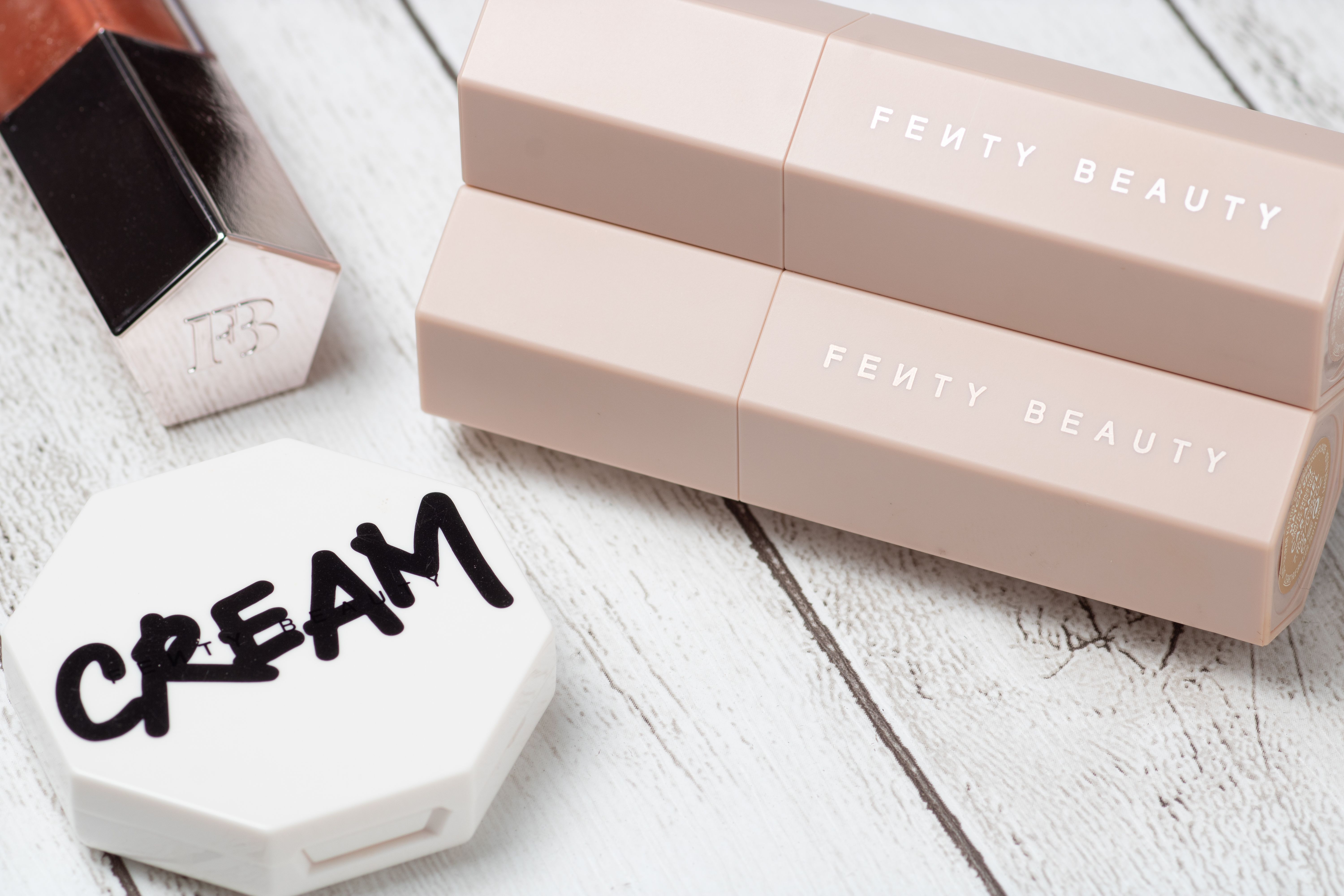
Fenty Beauty generated $100 million in its first 40 days, not through celebrity recognition alone, but through inclusive product development, worldwide distribution, cultural relevance, creator participation, and a strong digital customer experience. For ecommerce marketers, Fenty offers a valuable lesson: visible marketing tactics perform best when supported by reliable customer data. Product launches, social content, email, paid advertising, personalization, and attribution all depend on the identity and signal layer underneath them. Brands seeking to apply this model need accurate identity resolution, stronger audience addressability, connected customer profiles, and better data flowing into their marketing platforms.
Key Takeaways
- Fenty Beauty’s early growth came from inclusive product development, worldwide retail access, strong cultural relevance, and coordinated digital marketing
- Its 40-shade foundation launch addressed a clear market gap and helped change beauty-industry expectations
- Creator content worked because influencers could demonstrate meaningful product value across different skin tones
- Product pages, retailer visibility, customer reviews, and media coverage strengthened organic search demand
- Fenty uses product drops, restocks, customer participation, and cultural moments to maintain attention without depending entirely on discounts
- The broader lesson for ecommerce brands is that creative execution performs better when customer identity, event signals, audiences, and attribution inputs are reliable
Crafting a Modern Marketing Strategy: The Fenty Beauty Approach for 2026
Fenty Beauty’s marketing success came from several advantages working together. Rihanna brought global recognition and creative influence. Kendo Brands contributed product development, operations, and retail expertise. Major retail partners gave customers access to the products, while the initial shade range gave consumers and creators a meaningful reason to discuss the brand.
When Fenty Beauty launched on September 8, 2017, it entered the market through a partnership with LVMH-backed Kendo Brands. Earlier estimates valued the company at approximately $2.8 billion, but that figure should be treated as a historical estimate rather than a confirmed 2026 valuation.
The more useful lesson is that Rihanna held a meaningful ownership interest rather than serving only as a licensed spokesperson. That structure aligned her financial interests with the brand’s long-term performance and strengthened her influence over its positioning, product direction, and creative identity.
Fenty’s advantage was not one campaign or technology platform. It came from aligning:
- Product development with underserved customer needs
- Creative messaging with the actual product experience
- Retail distribution with digital demand
- Creator participation with authentic product demonstrations
- Customer data with ongoing engagement
These connected systems made the brand more difficult to copy than a standard celebrity endorsement campaign.
Building the Digital Marketing Foundation
Fenty Beauty’s visible marketing includes social content, product launches, creator partnerships, retail promotions, email communication, and paid media. However, these channels depend on an invisible foundation of customer identity, behavioral data, event reliability, and audience quality.
A beauty brand may create excellent content but still underperform when customer sessions are fragmented, product interests are disconnected from customer profiles, advertising platforms receive weak identifiers, or attribution reports rely on incomplete events.
A stronger digital framework connects:
- Products viewed
- Shades explored
- Reviews read
- Tutorials watched
- Items added to cart
- Purchases completed
- Devices and sessions used
- Email and advertising engagement
This first-party data allows brands to create more relevant experiences without treating every session as an unrelated visitor.
The goal is not merely to collect more contacts. It is to improve the quality and usefulness of the data that email, SMS, advertising, personalization, and reporting systems depend on.
Elevating the Fenty Beauty Brand Through Product-Led Inclusivity
Fenty Beauty’s most important marketing decision was also a product decision.
The brand launched globally with 40 foundation shades at a time when many mainstream complexion lines still offered limited options, especially for deeper skin tones. Some professional brands already provided broad shade ranges, but Fenty made balanced representation central to a coordinated worldwide launch.
The company demonstrated inclusivity instead of relying only on inclusive language. Campaigns featured models across a wide range of complexions, while the product assortment gave customers evidence that the positioning was real.
Sandy Saputo, then chief marketing officer at Kendo Brands, explained that the company did not need to repeatedly describe itself as inclusive because consumers and the press reached that conclusion based on the products and campaigns they saw. Her comments remain an important lesson for brands: positioning is more credible when customers can experience it directly.
The launch helped create what became known as the “Fenty Effect.” Competing beauty companies expanded complexion ranges, increased representation in advertising, and placed greater attention on shoppers who had historically received fewer options.
Maintaining Authenticity Across Channels
Fenty’s positioning remained consistent across:
- Product assortment
- Campaign casting
- Retail merchandising
- Social content
- Creator partnerships
- Packaging and visual identity
- Customer conversations
This consistency made its marketing feel connected rather than manufactured.
Research from Kantar found that diversity and inclusion can influence purchasing decisions, but brands should not translate that finding into unsupported lifetime-value multipliers. Customer lifetime value still depends on product quality, pricing, retention, service, and repeat purchase behavior.
The practical lesson is that inclusive messaging must be supported by product availability, customer experience, and long-term operational decisions.
Mastering Influencer Marketing Through Product Relevance
Fenty Beauty worked with creators, makeup artists, celebrities, reviewers, and everyday customers across different skin tones and beauty interests.
Its creator strategy succeeded because the product gave people something meaningful to demonstrate. Influencers could test shades, compare finishes, create tutorials, and show audiences whether the foundation worked for complexions that other brands often overlooked.
This generated more credible content than a campaign based only on paid celebrity exposure.
Choosing the Right Creator Partnerships
Fenty’s approach provides several lessons for ecommerce brands:
- Work with creators whose audiences match specific customer segments
- Prioritize product knowledge and credibility over follower count
- Include creators who can demonstrate the full product range
- Allow partners to use their own content formats and voices
- Connect creator activity to measurable customer behavior
- Evaluate conversions and customer quality, not only views
The strongest creator relationships connect audience fit, product usefulness, and measurable business outcomes.
Connecting Creator Content to Customer Signals
A creator campaign may generate views, searches, product-page visits, email signups, and purchases. These actions often happen across several devices and channels.
Without a strong data foundation, the brand may see these actions as unrelated events. A customer might discover a product on TikTok, browse on mobile, return through Google, and purchase on desktop. Weak identity resolution can break that journey into several profiles.
Effective beauty personalization depends on connecting those signals. Better identity and event data help marketers understand which creator partnerships generate real demand rather than temporary attention.
Fenty Beauty’s Social Media Marketing Strategy
Social media remains central to Fenty’s community-building model. The brand uses Instagram, TikTok, YouTube, and creator communities to introduce products, demonstrate applications, answer questions, and showcase customer experiences.
Fenty has generated substantial user-created content around its products and hashtags. Exact hashtag counts change across platforms and should not be presented as permanent metrics. The more important result is that customer participation expanded the brand’s reach and showed how products appeared across many skin tones.
Using Each Platform Differently
Instagram supports:
- Product announcements
- Campaign visuals
- Customer photos
- Shade demonstrations
- Creator collaborations
- Shoppable discovery
TikTok supports:
- Short tutorials
- Product reactions
- Beauty routines
- Trend participation
- Before-and-after content
- Community recommendations
YouTube supports:
- Detailed reviews
- Wear tests
- Shade comparisons
- Longer tutorials
- Product education
This channel-specific approach helps Fenty adapt its creative work without changing its underlying brand position.
Turning Engagement Into Usable Data
Likes and views alone do not create a complete customer strategy. Brands must connect engagement with onsite behavior, product interest, purchase activity, and long-term value.
A useful customer journey might show that a shopper:
- Discovers a foundation through a creator
- Visits a product page on mobile
- Uses a shade-finder tool
- Returns through search
- Reads customer reviews
- Purchases on desktop
- Reorders after several months
When these interactions remain disconnected, personalization, attribution, and advertising platforms receive incomplete information. When they are connected, the brand can build stronger audiences and make better budget decisions.
Leveraging Search, Product Pages, and Customer Data
Fenty Beauty benefits from strong brand demand, retail visibility, product-page optimization, creator coverage, customer reviews, and backlinks from major publications.
Third-party SEO reports have credited the brand with ranking for more than 100,000 keywords. However, keyword totals, backlink counts, and monthly traffic estimates change constantly. They should be treated as snapshots, not permanent 2026 metrics.
The broader lesson is that ecommerce SEO does not depend only on publishing blog articles. Product and collection pages can generate substantial visibility when they contain useful information and benefit from strong brand demand.
Effective beauty product pages often include:
- Product and shade names
- Finish and coverage details
- Customer reviews
- Customer photos
- Application guidance
- Ingredient information
- Shade-finder tools
- Related-product recommendations
When Rihanna used a Fenty product during the 2023 Super Bowl halftime show, searches for the brand increased sharply. That moment demonstrated how cultural attention can become measurable demand when product pages, retailer listings, and digital purchasing paths are ready.
Using AI Without Ignoring Data Quality
Beauty brands are adopting virtual try-on tools, AI-assisted shade matching, product recommendations, and skin-analysis experiences.
These technologies can improve product discovery and shopper confidence, but they do not guarantee a fixed conversion increase. Their results depend on traffic quality, data accuracy, implementation, product fit, and customer trust.
AI recommendations are only as reliable as the profiles and events underneath them. A system cannot create accurate personalization when it treats one shopper as several unrelated visitors or receives incomplete product behavior.
Reliable cross-device identity helps brands connect customer activity across mobile, desktop, browsers, and sessions. This creates a more complete profile for recommendations, segmentation, audience activation, and reporting.
Customer Retention Through Relevance and Product Momentum
Fenty Beauty uses product launches, restocks, collaborations, seasonal moments, and customer participation to encourage repeat engagement.
Back-in-stock campaigns can create urgency without depending entirely on discounts. A coordinated campaign may include:
- Email alerts
- SMS notifications
- Creator announcements
- Retargeting campaigns
- Related-product recommendations
- Personalized product reminders
There is no verified public evidence that a specific Fenty restock campaign produced a universal threefold conversion increase. However, the strategy remains useful because it coordinates communication around demonstrated customer interest.
Connecting the Post-Purchase Experience
Effective beauty retention requires more than sending the same follow-up email to every customer.
Brands should consider:
- Product purchased
- Shade selected
- Expected replenishment period
- Related products viewed
- Previous purchases
- Customer engagement
- Device and channel history
A customer who browses on mobile and buys on desktop should not receive duplicate welcome messages or be counted as two separate people.
Connecting these sessions improves more than customer experience. It also strengthens audience quality, attribution inputs, customer counts, and the signals delivered to marketing platforms.
Fenty Beauty’s Competitive Advantages
The beauty market continues to grow, but market-size estimates vary depending on whether researchers include cosmetics, personal care, fragrance, haircare, services, or wellness.
McKinsey expects continued expansion in the wider beauty market, with growth shaped by changing consumer behavior, product innovation, and geographic demand.
Within this market, Fenty maintains several advantages.
Product-Led Differentiation
The original foundation range created a clear reason for customers to choose and discuss the brand.
Cultural Relevance
Rihanna’s visibility and creative participation allow Fenty to turn entertainment and fashion moments into product attention.
Global Distribution
Major retail partnerships make it easier for customers to test complexion products and purchase through trusted channels.
Customer Participation
Reviews, tutorials, creator content, and customer photos continuously add social proof.
Connected Marketing Systems
Product launches, retailer activity, creator content, customer behavior, and digital communication reinforce one another.
How Opensend Supports the Invisible Marketing Layer
Beauty brands often respond to weak performance by testing more advertisements, creators, offers, landing pages, or email messages. Those changes address the visible marketing layer.
However, performance may remain limited when the invisible layer is weak.
That invisible layer includes:
- Customer identity
- Cross-device recognition
- Audience addressability
- Match quality
- Event reliability
- Profile enrichment
- Attribution inputs
- Platform signal quality
Opensend strengthens this foundation. It is not simply an email-capture or lead-generation tool. It supports the identity and signal layer that email, SMS, paid media, personalization, retargeting, attribution, and reporting rely on.
Connect Expands Addressability
Opensend Connect resolves eligible anonymous traffic into usable customer profiles.
The value is not limited to adding email addresses. A larger identified pool can improve:
- Retargeting audience size
- Email activation
- Advertising-platform matching
- Customer-profile completeness
- Lookalike audience inputs
- Cross-channel recognition
Identification is therefore an upstream data capability, not merely a list-growth tactic.
Reconnect Reduces Fragmentation
Opensend Reconnect connects customer activity across sessions and devices.
For beauty brands, this can help link:
- Mobile product discovery
- Desktop purchases
- Email interactions
- Repeat visits
- Browsing across product categories
Reducing fragmented identity improves customer recognition, audience accuracy, attribution inputs, and the quality of signals available to marketing systems.
Revive Restores Customer Reach
Opensend Revive helps replace outdated or bounced addresses with active addresses associated with the same customers.
This supports more than email deliverability. Restoring customer reach helps preserve the usefulness of first-party profiles and protects the addressable audience a brand has already built.
Personas Improves Audience Quality
Opensend Personas uses purchase and behavioral information to build customer cohorts.
For beauty brands, audience groups may reflect:
- Product interests
- Purchase behavior
- Lifestyle characteristics
- Customer value
- Category preferences
- Likelihood to respond
These enriched cohorts can improve audience activation across email and advertising platforms.
Building a Fenty-Style Growth Foundation
Beauty brands do not need Rihanna’s audience or LVMH’s resources to apply the structural lessons behind Fenty Beauty.
They can begin by aligning:
- Product decisions with real customer needs
- Creative work with customer representation
- Creator partnerships with measurable behavior
- Customer sessions with unified profiles
- Marketing audiences with verified identity data
- Platform signals with actual customer outcomes
The central lesson is that more creative testing cannot fully compensate for fragmented identity or weak signals.
When identity is incomplete:
- Retargeting audiences remain smaller
- Advertising platforms match fewer customers
- Customer journeys appear fragmented
- Email and SMS segmentation becomes less accurate
- Attribution systems operate from weaker inputs
- Reporting becomes less trustworthy
Opensend helps strengthen this shared data foundation. Better identity resolution increases the amount of traffic that becomes addressable. Cross-device recognition creates more complete profiles. Enrichment improves audience quality. Cleaner customer information gives marketing platforms stronger inputs for matching and optimization.
The result is not a guaranteed performance increase. It is a stronger operating foundation that allows existing marketing channels to work with more complete, usable, and connected customer data.
Brands can review individual customer success stories to evaluate outcomes by company, period, and use case.
Frequently Asked Questions
How does Opensend strengthen beauty marketing data?
Opensend strengthens the identity and signal layer beneath a beauty brand’s existing marketing stack. It helps resolve eligible anonymous traffic, connect fragmented customer sessions, enrich profiles, expand addressable audiences, and provide more usable customer information to email and advertising platforms.
Is Opensend only a visitor-identification tool?
No. Visitor identification is one part of the platform. Opensend supports the broader invisible marketing layer by improving identity resolution, cross-device recognition, audience addressability, profile quality, and the customer signals used by marketing platforms.
How does identity resolution improve channel performance?
Marketing platforms can perform better when they receive complete, matchable customer information. Stronger identity resolution can expand retargeting audiences, improve customer matching, reduce fragmented profiles, and provide better inputs for personalization, attribution, and platform optimization.
Does Opensend replace existing marketing tools?
No. Opensend works beneath and alongside existing ecommerce, email, advertising, and analytics tools. It improves the customer identity and audience data those systems use rather than replacing their campaign-management functions.
What should beauty brands measure after implementation?
Beauty brands should track identification rate, addressable audience growth, cross-device profile quality, customer match rates, recovered contacts, incremental revenue, and customer-specific return on investment. Results should be evaluated against the brand’s previous performance rather than a universal guarantee.
Get 1 month free for $1
Exclusive, blog only offer: Identify hidden visitors and boost conversions for only a dollar.


