

Glossier Marketing Strategy (2026)


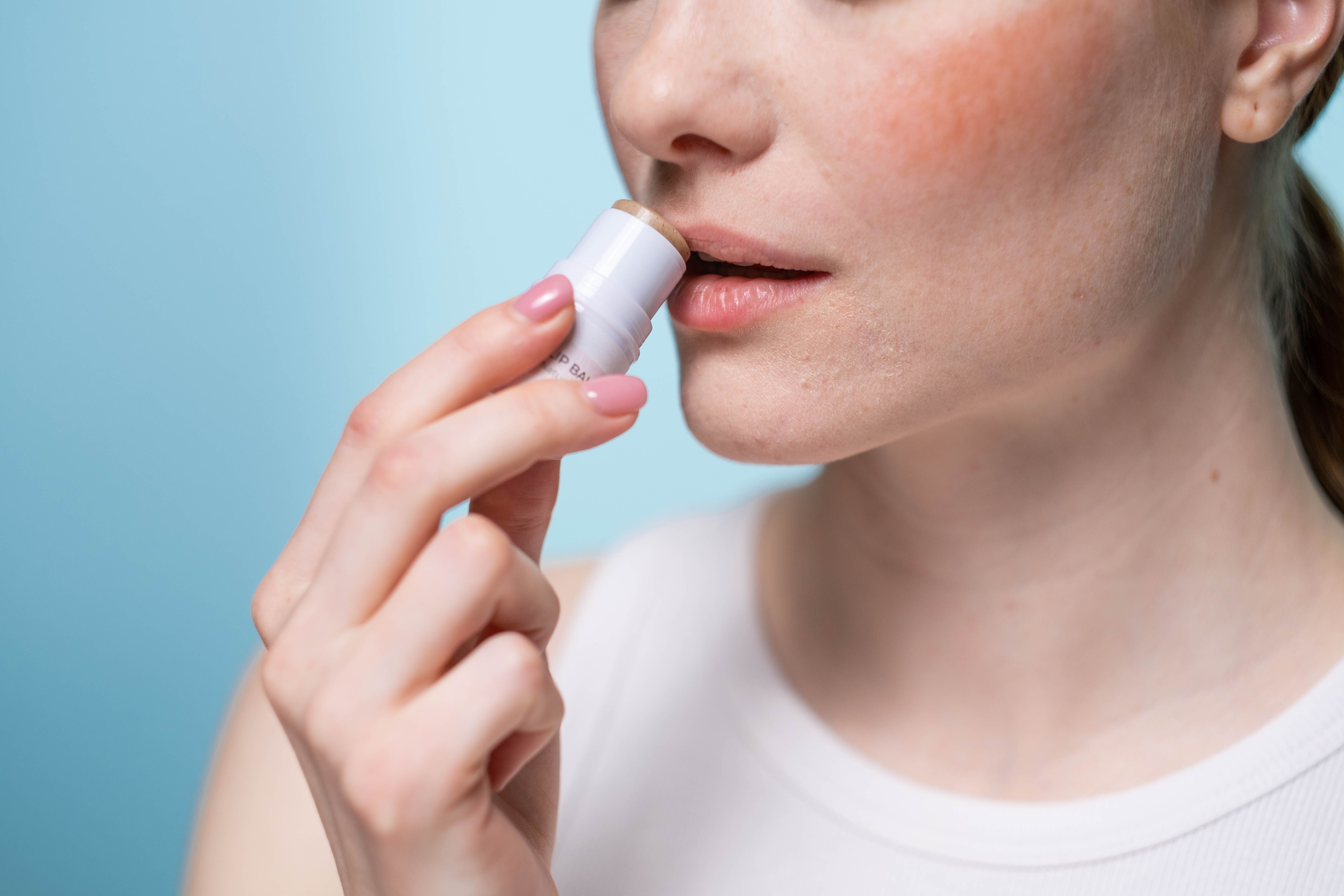
Glossier transformed from a beauty blog into a beauty company that reached a $1.8 billion valuation in 2021 by building a community before launching products. Its early growth relied heavily on customer conversations, peer recommendations, creator advocacy, and user-generated content rather than a conventional top-down beauty marketing model. For brands seeking to replicate this approach, community strength alone is not enough. They also need reliable customer data, identity resolution, and audience activation infrastructure. Identity resolution helps turn anonymous traffic into addressable audiences while improving the data signals that support email, advertising, personalization, attribution, and retention.
Key Takeaways
- Community came before products: Emily Weiss built Into the Gloss for four years before launching Glossier, giving the brand an established audience and a direct source of customer feedback.
- Peer referrals powered early growth: Glossier historically reported that peer recommendations generated 70% of its online sales and traffic.
- Customer content supported authenticity: Glossier made customer routines, reviews, photographs, and conversations central to its brand identity.
- Lifecycle execution still matters: An external audit identified potential weaknesses involving email visibility, SMS activity, segmentation, and abandonment campaigns.
- Wholesale expansion changed the data model: Glossier’s Sephora partnership increased accessibility but also created challenges around customer ownership, attribution, and direct relationships.
The Community-First Foundation
Building Into the Gloss Before Glossier
Emily Weiss launched Into the Gloss in 2010, four years before Glossier introduced its first products. The beauty blog featured interviews, routines, product recommendations, and conversations with readers about what they wanted from beauty brands.
Instead of relying only on formal market research, Weiss could observe recurring customer frustrations and preferences directly. Readers discussed product texture, packaging, application, shade ranges, and routines in detail.
This created several advantages:
- Stronger product direction: The company could develop products around demonstrated customer needs.
- Lower launch risk: Glossier already had an audience familiar with its ideas and voice.
- Built-in distribution: Into the Gloss gave the new brand an owned media channel.
- Customer participation: Readers felt that their opinions influenced the company’s direction.
Products such as Milky Jelly Cleanser were shaped by conversations about what customers wanted from an ideal face wash. This approach made community feedback part of product development rather than something collected only after launch.
Modern e-commerce companies can apply the same principle by combining customer research with first-party data. Surveys and comments explain what customers say, while behavioral and identity data help show what visitors browse, revisit, abandon, and purchase.
Inverting Traditional Beauty Marketing
Traditional beauty marketing commonly relied on celebrity campaigns, highly polished imagery, aspirational messaging, and top-down product launches. Glossier developed a more conversational model.
Traditional Beauty Model:
- Products created internally
- Celebrity-led promotion
- Highly produced campaign imagery
- Brand-to-customer communication
- Heavy dependence on paid media
Glossier’s Early Model:
- Customer-informed development
- Community and creator advocacy
- Relatable product demonstrations
- Two-way customer conversations
- Strong organic distribution
Glossier historically reported that 70% of online sales and traffic came through peer referrals. Founder Emily Weiss also said nearly 80% of customers had been referred by a friend.
These are historical growth metrics, not Glossier’s verified 2026 acquisition mix. However, they demonstrate how important customer advocacy was during the brand’s rise.
The Peer Referral Engine
Turning Customers Into Advocates
Glossier treated customers as participants in the brand rather than only buyers. Social media followers could provide product feedback, share routines, create photographs, recommend products, and become recognized members of the community.
The brand reinforced advocacy through several methods:
- Referral codes and trackable links
- Customer reposts and features
- Commission-based ambassador relationships
- Shareable packaging and stickers
- Community conversations around routines
Historical reports linked approximately 8% of online sales to Instagram ambassador activity. Although the exact size of Generation Glossier has been reported inconsistently, the strategic lesson is clear: the program formalized advocacy that already existed within the customer base.
For brands creating ambassador programs, selecting participants by follower count alone can weaken authenticity. Better candidates may include customers with strong purchase histories, consistent engagement, useful product knowledge, and influence within smaller communities.
This requires customer engagement data that connects content interaction, site behavior, purchase history, referrals, and repeat buying.
User-Generated Content as Social Proof
Customer-created content became a visible part of Glossier’s identity. Customers photographed orders, shared product routines, reviewed launches, and demonstrated how products looked in everyday settings.
Glossier encouraged this behavior through:
- Recognizable packaging: Pink bubble pouches, stickers, and minimalist products were designed to be photographed.
- Customer features: Reposting customer content gave contributors recognition.
- Accessible visuals: The brand’s aesthetic could be reproduced without a professional studio.
- Routine-based storytelling: Customers showed how products fit into real life.
This helped Glossier create social proof at scale. Instead of every message coming directly from the company, potential buyers could see products used by other customers.
However, claims that a specific percentage of Glossier’s 2025 or 2026 social content came from customers are not supported by reliable public reporting. The accurate conclusion is that UGC has played a prominent role, not that it represents a verified share of current content.
Glossier’s Social Media Strategy
Instagram as an Early Growth Channel
Instagram matched Glossier’s visual identity and conversational style. The brand used the platform for discovery, education, product feedback, and community interaction.
Its Instagram strategy emphasized:
- Customer-centered product imagery
- Recognizable pink and minimalist branding
- Product application and routine content
- Responses to customer questions
- Reposts from customers and creators
- Launch conversations rather than one-way announcements
This approach made Instagram an extension of the brand’s editorial and community strategy.
Expansion Into Short-Form Video
As beauty discovery moved toward TikTok and short-form video, Glossier expanded beyond its original Instagram-led model.
Short-form content can support:
- Product demonstrations
- Before-and-after routines
- Behind-the-scenes development
- Creator explanations
- Trend participation
- Fast answers to product questions
The challenge is connecting engagement across platforms. A shopper might discover a product on TikTok, browse on mobile, return through Instagram, and purchase later on a laptop.
Without cross-device identity, these interactions may appear to come from different people. Fragmented profiles weaken personalization, audience matching, attribution, and lifecycle automation.
The Lifecycle Marketing Gap
What the External Audit Found
Strong brand recognition does not guarantee strong lifecycle marketing. An external Glossier audit identified potential gaps involving email visibility, SMS activity, personalization, and abandonment campaigns.
The analysis was based on publicly observable marketing and third-party traffic estimates. It did not have access to Glossier’s complete internal systems, so its findings should be treated as outside estimates rather than confirmed company disclosures.
Email Concerns:
- Image-heavy designs could reduce accessibility and engagement.
- The audit estimated that only around 30% of subscribers might regularly see or engage with campaigns.
- It recommended improving the balance between images, HTML, and text.
Landing in Gmail’s Promotions tab does not mean an email was undelivered. It is better described as an inbox placement and engagement concern.
SMS Opportunities:
- The audit observed limited or no active SMS campaigning during its review.
- Potential applications included replenishment reminders, back-in-stock messages, product launches, and time-sensitive promotions.
- The audit could not confirm every private campaign or customer segment.
Personalization Gaps:
- The analysis estimated approximately 2.2 million monthly website visits.
- It identified opportunities to segment campaigns using browsing behavior, purchase history, and lifecycle stage.
- It criticized repetitive cart-recovery offers that appeared to lack message progression.
The broader lesson is that community equity and lifecycle execution are separate capabilities. A brand can generate enthusiasm while still losing revenue through incomplete profiles, weak segmentation, fragmented customer identities, or underused marketing channels.
The Omnichannel Evolution
Glossier’s Sephora Partnership
Glossier operated primarily through its website and owned stores before entering its first wholesale partnership. On February 23, 2023, the brand launched in 600 Sephora stores across the United States and Canada, as well as Sephora’s website and app.
The partnership increased product accessibility and allowed shoppers to buy Glossier through an established beauty retailer. It also marked a significant change from the company’s earlier direct-to-consumer model.
Glossier’s current channel mix includes:
- Its owned e-commerce website
- Glossier-operated stores
- Sephora stores
- Sephora’s website and app
- Retail and digital product discovery
Glossier does not publicly disclose a verified 2026 percentage split between owned sales and Sephora sales. Claims that 45% of revenue comes from owned e-commerce and 55% comes from Sephora should therefore be removed unless supported by company reporting.
Maintaining Direct Customer Relationships
Wholesale distribution creates several challenges for DTC marketing teams:
- Limited customer data: Retail partners may not provide complete customer-level information.
- Attribution gaps: A store visit may influence an online purchase that is difficult to track.
- Fragmented lifecycle journeys: Wholesale buyers may not enter the brand’s email or SMS programs.
- Experience differences: Product presentation varies between owned and partner environments.
Owned channels must provide additional value through exclusive products, educational content, loyalty benefits, personalized recommendations, and community access.
Wholesale can expand reach, but the brand still needs a reason for customers to establish a direct relationship.
Customer Experience Through Incremental Improvement
At the 2024 NXT:Commerce Summit, Glossier’s Director of Omnichannel Customer Experience, Amy Kemp, discussed the importance of creating meaningful customer connections and making practical operational improvements. Her comments emphasized that better customer experiences do not always require large system replacements.
The customer experience approach included improving how teams coordinate responses and manage customer interactions.
Incremental improvements can include:
- Standardizing responses across support channels
- Removing repeated customer journey friction
- Sharing support insights with product teams
- Improving escalation processes
- Aligning teams around the brand voice
- Closing customer feedback loops
For brands focused on customer retention, these operational changes can compound over time. Faster processes matter, but consistency, relevance, and relationship quality also influence whether customers return.
Measuring Community-Driven Marketing
Glossier’s strategy requires broader measurements than conventional paid advertising.
Traditional Metrics:
- Impressions
- Reach
- Click-through rate
- Customer acquisition cost
- Return on ad spend
Community Metrics:
- Referral contribution
- UGC participation
- Repeat purchase rate
- Customer lifetime value
- Creator-attributed revenue
- Branded search
- Direct traffic
- Community engagement
Word-of-mouth is difficult to attribute because a purchase may involve a friend’s recommendation, a creator video, an Instagram post, a customer review, a store visit, and a later branded search.
Brands can combine:
- Customer surveys
- Referral codes
- Creator links
- Cohort analysis
- Branded-search trends
- Incrementality testing
- Multi-touch attribution
No model captures every influence perfectly. The goal is to build a reliable view of how community activity contributes to customer acquisition, retention, and lifetime value.
How Opensend Supports Community-Driven Growth
Glossier’s strategy shows that community creates demand, but data infrastructure determines how effectively a brand can activate that demand.
Opensend strengthens the invisible marketing layer behind e-commerce growth. This layer includes identity resolution, audience addressability, match rates, profile quality, cross-device continuity, and the signals sent into marketing platforms.
Increasing Audience Addressability
The average DTC website identifies only a limited portion of its visitors. The rest may leave without a usable customer profile, audience connection, or retargeting path.
Opensend Connect identifies approximately 25% to 35% of previously anonymous visitors and syncs actionable profiles into supported marketing platforms.
This can help brands:
- Activate browse-abandonment campaigns
- Expand retargeting audiences
- Enrich first-party profiles
- Improve audience match rates
- Give platforms stronger identity signals
- Re-engage traffic already acquired
The value is broader than email collection. Better identification improves the customer data available to advertising, email, SMS, direct mail, attribution, and reporting systems.
Unifying Cross-Device Journeys
A shopper may browse on one device and purchase on another. Without identity stitching, each interaction can create a separate profile.
Opensend Reconnect helps unify customer identities across browsers, devices, and sessions. This can reduce duplicate profiles, improve abandonment triggers, support consistent personalization, and give platforms more complete customer signals.
Restoring Customer Addressability
Email databases naturally decay as customers change addresses or older accounts begin bouncing.
Opensend Revive helps match certain outdated addresses with active addresses associated with the same individuals. This supports profile quality, customer addressability, and retention while working alongside the brand’s consent, suppression, and compliance processes.
Building Smarter Audiences
Raw customer data becomes more useful when it can be organized into actionable groups.
Opensend Personas uses enriched purchase, identity, demographic, and behavioral data to create audience cohorts for advertising and lifecycle marketing.
These audiences can support:
- Product-interest targeting
- High-value customer modeling
- Retention campaigns
- Lookalike strategies
- Personalized creative
- More relevant prospecting
Together, Connect, Reconnect, Revive, and Personas improve the identity and signal foundation that every marketing channel uses.
Frequently Asked Questions
How Does Opensend Identify Anonymous Beauty Shoppers?
Opensend Connect matches eligible anonymous sessions against its consent-based shopper network. It can identify approximately 25% to 35% of previously anonymous visitors and sync actionable profiles to supported email and advertising platforms.
Does Opensend Only Grow Email Lists?
No. List growth is one application, but Opensend is positioned as an identity and signal layer. It improves audience addressability, customer profile quality, cross-device continuity, match rates, and the data available to marketing platforms.
Can Opensend Fix Email Deliverability?
Opensend does not directly control inbox placement, domain authentication, sender reputation, or email design. It improves the underlying audience data by identifying visitors, reconnecting profiles, and restoring certain outdated contact records.
How Does Opensend Support Repurchase Marketing?
Beauty brands can combine Opensend’s identity and audience data with purchase records in their e-commerce and lifecycle platforms. Their ESP or marketing automation system can then trigger replenishment, retention, and repeat-purchase campaigns.
How Should Brands Measure Opensend’s Impact?
Brands should monitor identification rate, audience growth, profile quality, match rates, flow participation, conversion rate, recovered revenue, and incremental revenue. Results should be evaluated over a defined testing period using consistent attribution rules.
Get 1 month free for $1
Exclusive, blog only offer: Identify hidden visitors and boost conversions for only a dollar.


